
+1(470) 886 2476
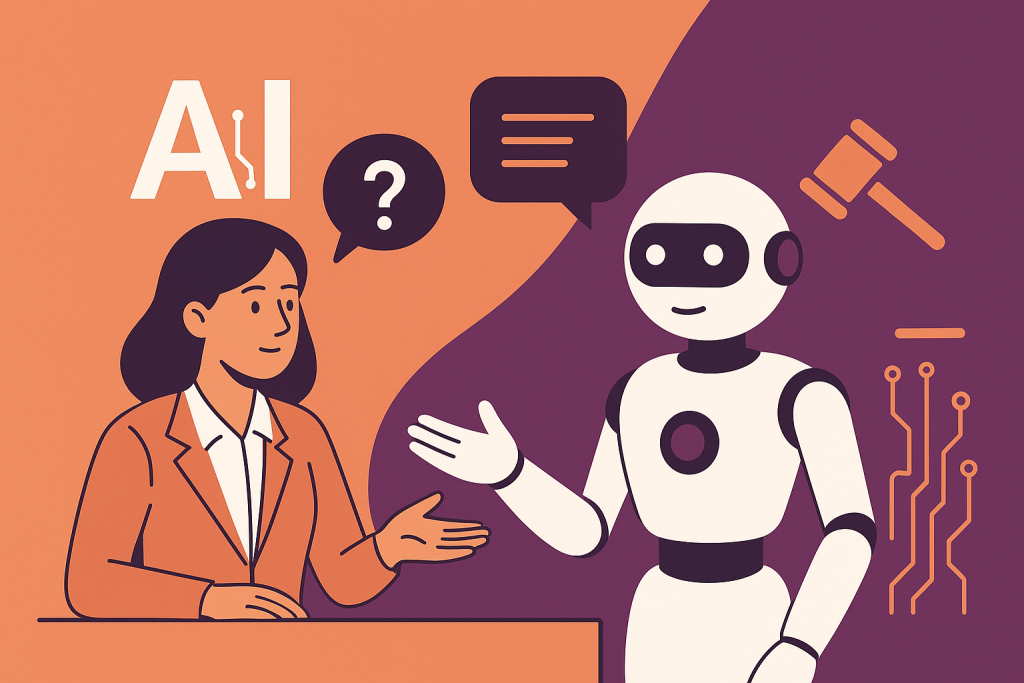
In 2025, artificial intelligence regulation in the United States entered a critical phase. While some states are moving forward with their own laws, federal discussions continue around proposals intended to balance innovation and oversight. This environment directly affects companies using AI for sales, customer service, and process automation—creating both risks and new competitive opportunities.
One of the most significant developments came when 35 state attorneys general and the District of Columbia asked Congress to preserve state authority to regulate AI, citing concerns about the impact of automated systems on sensitive decisions, from chatbots to scoring tools. At the same time, states like California passed laws such as the Transparency in Frontier Artificial Intelligence Act, requiring AI developers to disclose safety protocols, assess risks, report incidents, and operate with greater transparency.
However, the federal landscape remains divided. Some proposals aim to create a “regulatory sandbox” that would allow AI companies to operate with lower oversight for years a stance that has faced strong opposition within the Senate. This tension between regulating and encouraging innovation directly affects AI models used in sales, customer service, and commercial automation.
For companies that combine AI with human teams, this regulatory wave means an increasing need to document processes, demonstrate how AI operates within commercial workflows, and adapt to regulatory variations across states. It also presents an opportunity: organizations that already follow transparent practices, strong security standards, and human oversight can stand out to clients worried about legal, ethical, or reputational risks.
In this context, the hybrid AI + human model is becoming the safest and most effective approach. AI can handle repetitive tasks, classification, simple responses, and initial analysis, while humans take on critical decisions, closing deals, complex problem-solving, and sensitive communication. This model not only supports regulatory compliance but also improves service quality and reduces the risk of automated errors.
For companies, the time to act is now: review state-specific regulations, thoroughly document the use of AI, ensure human supervision in key processes, strengthen security protocols, and communicate clearly when automated systems are involved. These practices not only align with regulatory expectations but also build customer trust and strengthen corporate reputation.
AI regulation in the U.S. is now a reality that is transforming sales, customer service, and automated operations. For outsourcing, nearshore, and commercial support companies, understanding this landscape and adopting a responsible strategy can become a decisive advantage for winning and retaining demanding U.S. clients.